ABZÛ – Guiding Players Through an Open Ocean
How level design creates a sense of freedom without sacrificing player guidance.
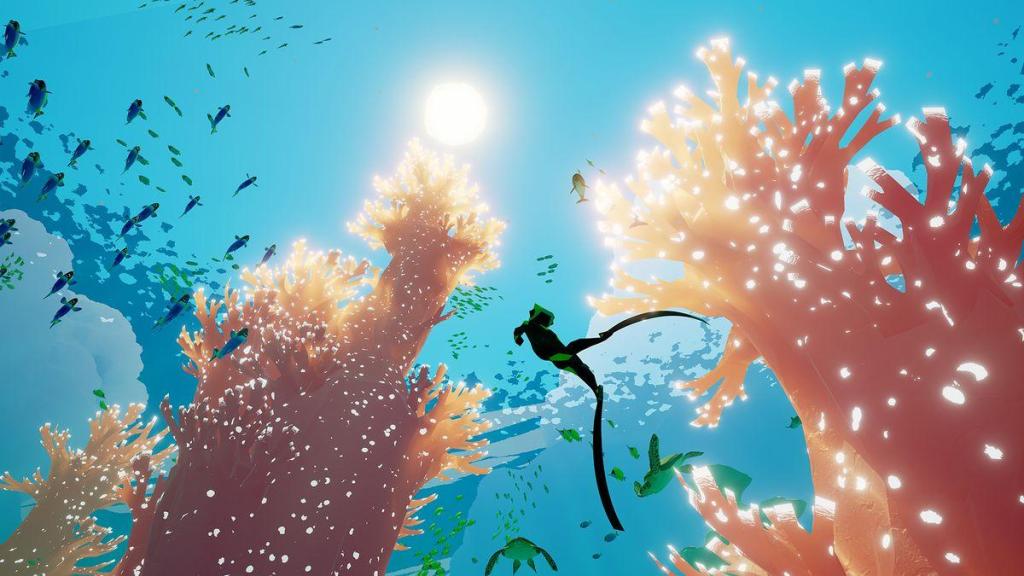
ABZÛ (Giant Squid, 2016) is an underwater exploration game that uses its environments to guide the player without relying heavily on traditional navigation tools. What interests me most from a level design perspective is how the game makes a large, three dimensional world feel both open and easy to navigate.
Guiding Players Naturally
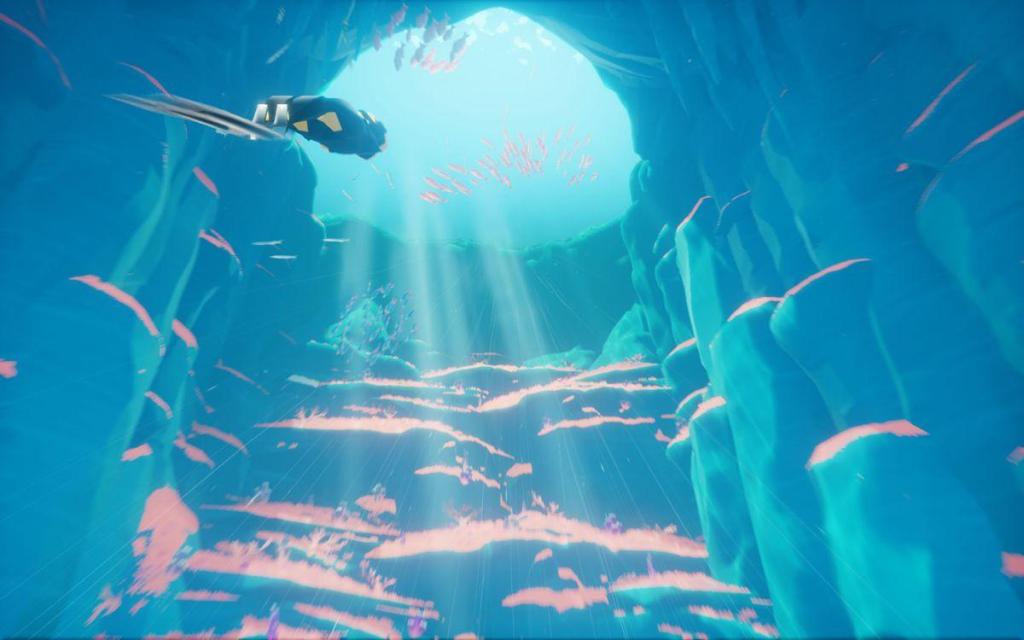
One of ABZÛ’s strengths is its use of environmental guidance. Bright openings, contrasting colours, and recognizable landmarks naturally attract the player’s attention.
Rather than explicitly telling players where to go, the environment encourages them to move towards interesting locations. This creates a balance between freedom and direction, allowing players to explore at their own pace without constantly feeling lost.
Pacing Through Level Design
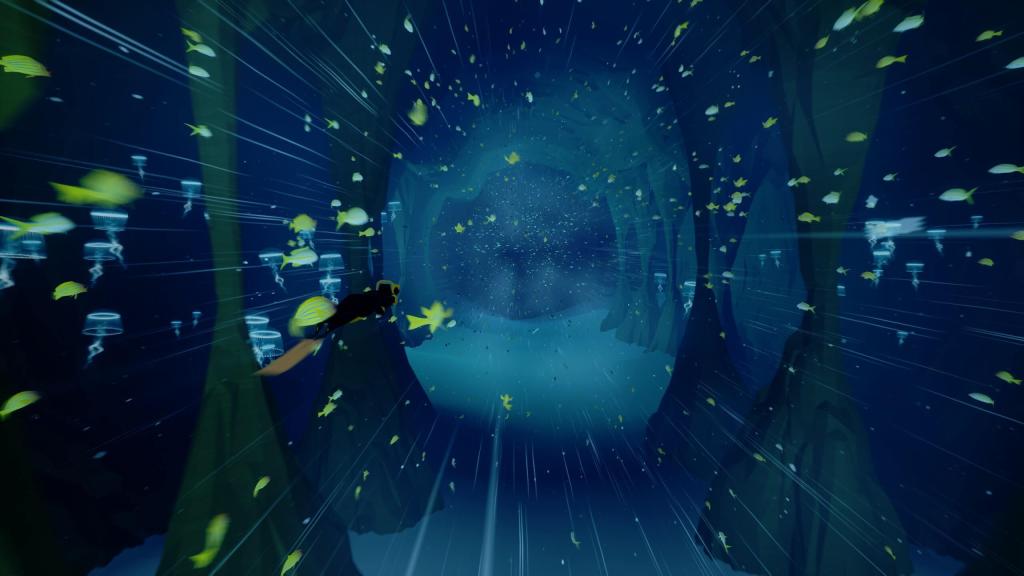
ABZÛ regularly alternates between large, open environments and more focused passages. Open areas encourage players to slow down, observe marine life, and discover smaller details. Narrower routes and fast underwater currents create a stronger sense of movement and progression.
This contrast keeps exploration interesting. It also makes entering a new, expansive environment feel more rewarding after travelling through an enclosed space.
Environmental Storytelling
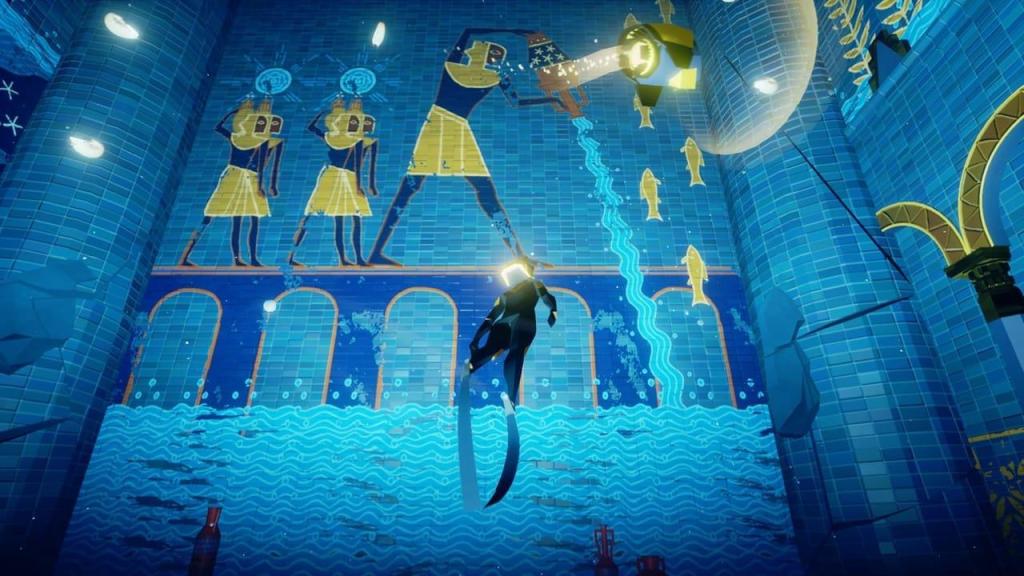
The environments also communicate the game’s story. Ancient ruins, unusual structures, and changes in lighting gradually introduce a sense of mystery.
As the player ventures deeper, the atmosphere shifts from colourful and peaceful to darker and more unsettling. This allows the environment itself to communicate emotion and narrative without relying on dialogue.
What I Take Away as a Level Designer
ABZÛ demonstrates that an environment doesn’t need to be completely open to create a feeling of freedom. Carefully placed landmarks, readable compositions, and changes in spatial scale can guide players while preserving their sense of discovery.
For my own level design work, particularly in underwater environments, I want to explore how these techniques can make navigation feel intuitive while encouraging curiosity and exploration.
Sources and further reading:

